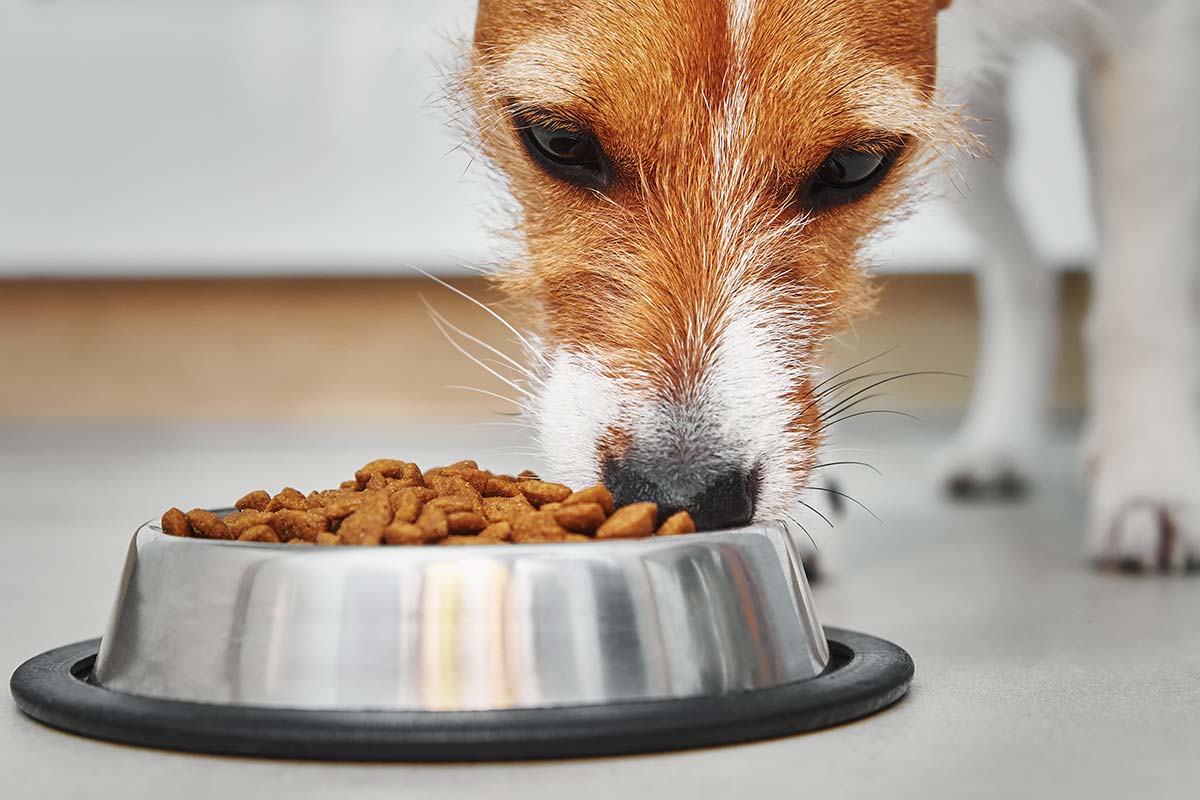
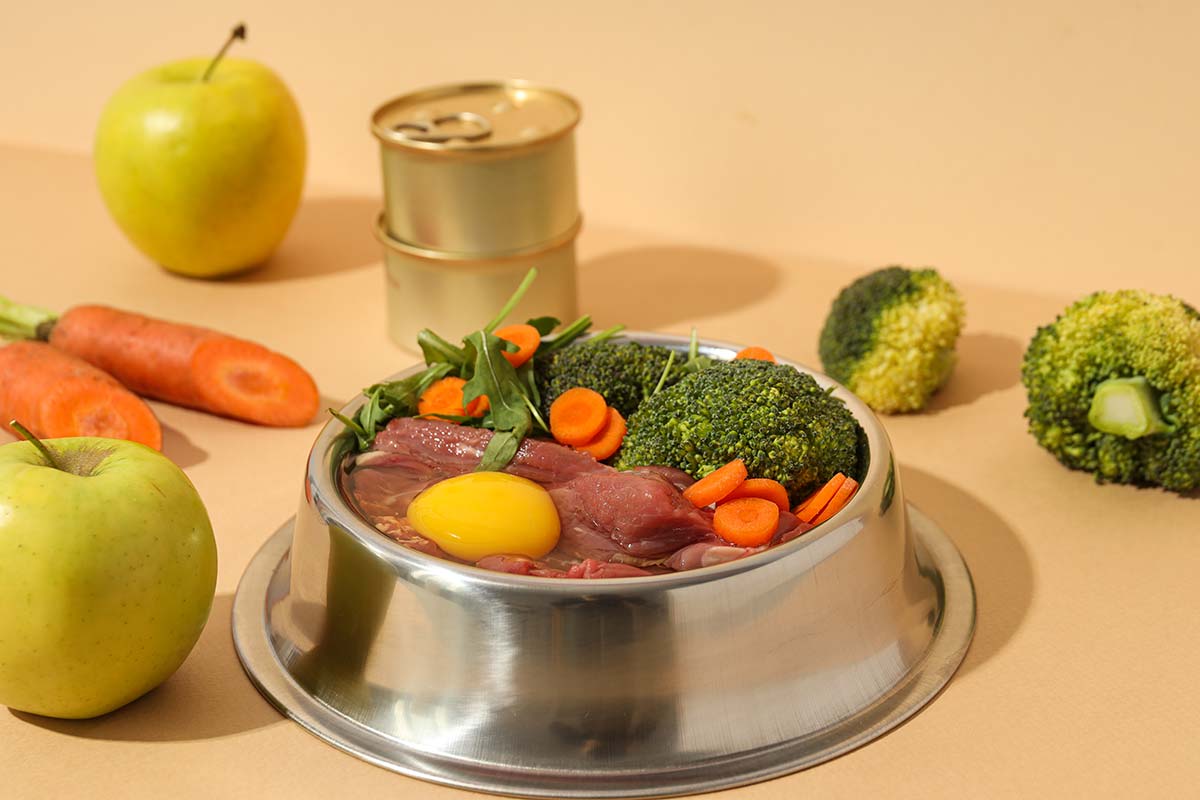
The term complete and balanced means that a food will provide all the nutrients required for the pet’s lifestage in the correct amounts. It is very important to make sure that any food you are feeding is complete and balanced.
It is very difficult to balance a home-made diet properly, especially for growing puppies and kittens that have very specific needs for certain fatty acids for brain and retina development and specific levels of calcium and phosphorous to help prevent growth and joint problems.
Some people supplement raw diets or home-made diets with human vitamin and mineral tablets. Human vitamin tablets, especially in Northern Europe have high levels of vitamin D because of the lack of sunlight. This can cause big problems for animals, especially growing ones, because of the effect it has on calcium balance.
Studies have shown that even some raw foods that claim to be complete and balanced are deficient in some essential components such as calcium, iron, selenium and zinc.
These deficiencies and excesses of minerals and vitamins in some raw and home-made diets can be catastrophic, especially in growing animals.
There is also a current trend for feeding grain-free food to dogs. This has arisen mainly due to caregivers worrying about grains being a cause of adverse food reactions and certain parties claiming they are just poor quality ‘fillers’ in pet food.
Grains are an excellent source of fibre and vitamins. They are a source of what’s called prebiotic fibres. These fibres are digested by the ‘good bacteria’ in the gut. By nourishing these bacteria, they keep the microbiome healthy and suppress the growth of bad bacteria. The digestion of these fibres nourishes the bacteria, and this digestion produces fatty acids that help to keep gut cells healthy.
The incidence of true grain intolerance is low in dogs. There have also been a number of cases of a type of heart failure associated with some of these diets called DCM or dilated cardiomyopathy. Research is ongoing into the cause of this.