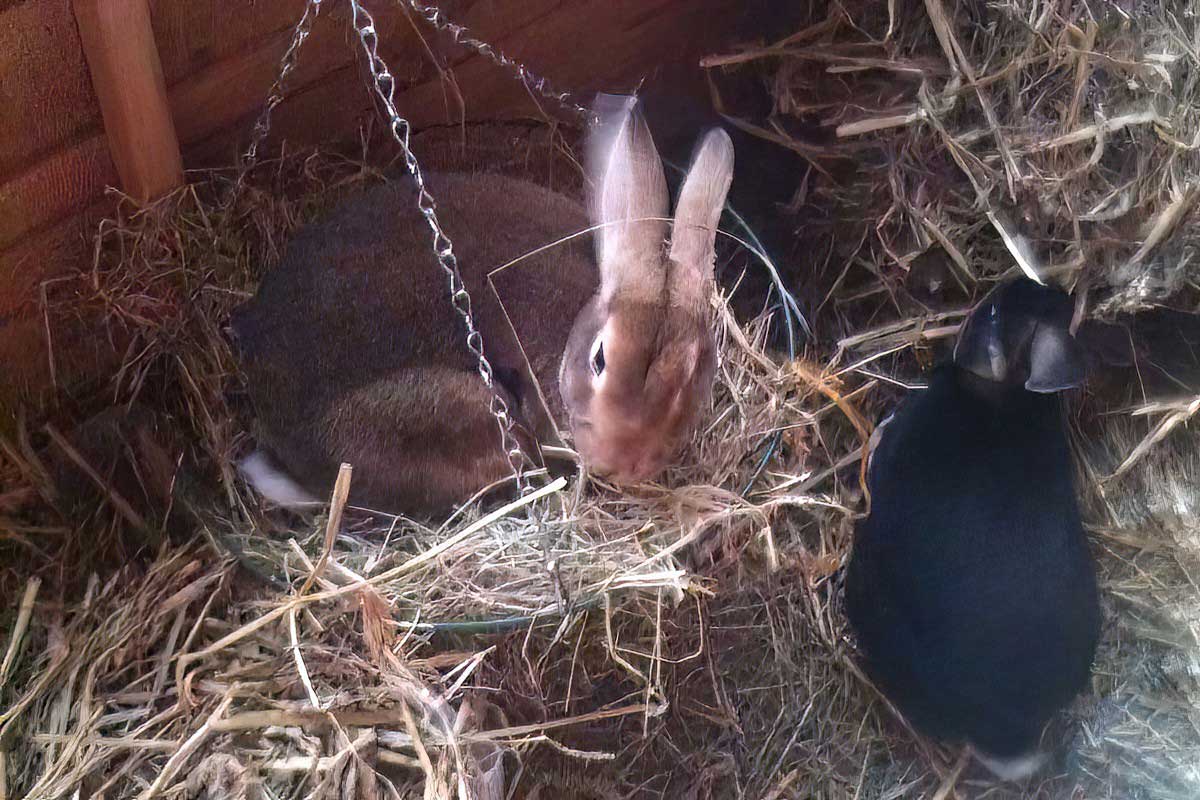
Feeding Rabbits
Rabbits are, sadly, still a very misunderstood and neglected species. Too many people still see them as a ‘starter pet’ for children, easy to care for in a hutch with some rabbit food. Nothing could be further from the truth!
For great information on rabbits’ needs visit the Rabbit Welfare Association and Fund website. For now, let’s talk about food!
Rabbit evolution
It might seem obvious but knowing about how rabbits have evolved and live in the wild is really important. Rabbits have teeth that constantly erupt throughout their lives. This is because their natural diet consists of tough, fibrous plants that contain very few calories. This means they need to graze for large parts of their waking day to get the energy and nutrients they need. This constant grinding of food means that their teeth need to keep growing or they would simply wear away to nothing.
In fact, their diet is so tough that they digest it twice. Rabbits are coprophagic. This means they eat their own faeces. Yum! Their food passes through the first time and comes out as soft faeces called caecotrophs. These are eaten direct from their anus. The caecotrophs get a second go through the intestines and all the last bits of nutrition can be gained. What’s left is the undigestible, hard rabbit pellets that we are used to seeing.

The do’s and don’ts of dry food
Humans like convenience. It’s very convenient for us to feed rabbits a bowl of dry food, very often a muesli-style dry food that looks attractive to us and makes us feel good that we’re giving them something nice.
There are a few major problems with this.
- Energy density. As we said, rabbits have evolved to eat very low energy food. When we give easy to eat calories in a bowl there is a huge risk of obesity. Obesity in rabbits causes lots of issues, the same as in any animals, but also makes it virtually impossible for them to eat their caecotrophs and keep themselves clean. This is a big issue and a risk for flystrike.
- Selective feeding. Muesli-style foods may look appealing, but they allow selective feeding. This means the rabbits eat all their favourite bits and leave the bits they don’t like. Imagine offering a toddler a bowl of sweets and salad! This means that they may miss certain vitamins and minerals, which can be disastrous for health.
- Teeth wear. Dry food is easy to eat and doesn’t require much chewing. This means that the rabbits’ teeth are not worn down enough and overgrow. This can cause painful tongue and cheek lacerations, abscesses in the jaw, make it very difficult to eat and in some cases causes early death.
What to feed your rabbits
What your rabbits really need is long fibre. That’s grass and hay. And lots of it! Ideally rabbits should have access to grazing 24 hours a day but whether grass is available or not, they should have unlimited access to good quality hay. A rough guide is that rabbits should have a pile of hay about the same size as their body a day! Don’t give grass cuttings as these quickly ferment and would cause digestive issues if eaten and will also go mouldy.
They should also get a variety of healthy plant extras, like vegetables, weeds and flowers. Always make sure you know that what you’re feeding and what’s growing in your garden is safe for them to eat.
On top of this you can give a small amount of dry food, but this should always be pellets or nuggets, not muesli, so that they can’t selectively eat. Adult rabbits don’t need more than 15g/kg of their bodyweight per day. Instead of giving it in a bowl, you can scatter feed it or use puzzle toys. This provides your rabbit with enrichment and foraging behaviour.
Don’t forget to make sure they always have access to clean, fresh water. This is better given in a bowl than a bottle but having both is a good contingency.
It’s simple really. Just think fibre, fibre, fibre and you won’t go far wrong! This feeding regime keeps rabbits slim, keeps their guts in good health and moving and keeps their teeth in good condition. Giving this mix of plenty of fibre, fresh veg and other plants alongside a small quantity of pellets should provide them with all the nutrients they need.